Classroom Management for Calm, Effective Teaching
Many teachers enter the classroom with a deep sense of purpose and a desire to build a calm, well-managed classroom.
I remember feeling that same sense of anticipation when I first began teaching. It had been something I had wanted for a very long time, and when I finally stepped into my own classroom, it felt like that long-held dream had arrived.
And then, very quickly, the reality of the classroom day arrived as well.
I found myself trying to stay just one step ahead of everything—the planning, the transitions, the behaviour—and quietly wondering whether I was doing enough, or doing it well.
It is a feeling many teachers recognize, and one that is often described as imposter syndrome—even among experienced educators.
I support overwhelmed and new teachers in building calm classrooms through clear expectations, routines, and research-informed classroom management systems.
A Classroom Moment Many Teachers Recognize
At the end of an activity, the classroom can begin to shift in small but noticeable ways.
Some students begin packing up right away. Others are still working. A few have already started conversations that seem to carry across the room with surprising speed.
Directions are given. Then repeated. And sometimes repeated again, just slightly more slowly the third time.
Before long, the transition takes more time than the lesson itself.
These moments are not usually about effort or care.
They are often a sign that students are still learning how the classroom works.
What I Came to Understand
Over time, I began to see that effective classroom management is not separate from teaching. It is what allows teaching to happen in a steady and sustainable way.
When classroom systems are clear and consistent, students begin to understand what is expected of them, and the classroom day starts to feel more settled. There is less uncertainty, fewer interruptions, and more space for learning.
This is one part of the Calm Classroom Framework, a system I use to help teachers build calmer, more engaged classrooms through clear expectations, routines, and supportive classroom systems.
What Changed in My Classroom
I had received additional training in research-based classroom management, but knowing the research was only part of the picture.
What made the difference was learning how to apply it in ways that actually worked in a real classroom, on a regular Tuesday, with real students who had very different needs.
As I adjusted routines, clarified expectations, and paid closer attention to how the classroom functioned throughout the day, I began to notice small but meaningful shifts.
Transitions became smoother.
Students settled more quickly.
And the day began to feel a little more manageable.
Over time, I was no longer trying to stay one step ahead of everything. The systems within the classroom began to carry more of the load, which allowed me to focus more fully on teaching—and even enjoy it again.
The Systems That Made the Difference
In my classroom, this work came together through a small number of connected systems that supported both students and teaching:
- Clear Expectations
- Classroom Community
- Social Emotional Learning
- Differentiation
- Routines and Procedures
- Positive Reinforcement
- Growth Mindset
- Equity
Each of these plays a role, but together they create a classroom where students feel safe, capable, and ready to learn, and where the day begins to flow with more ease.
What This Means for You
If you have ever felt like you are working hard to keep everything moving while still feeling slightly behind, you are not alone.
In many cases, it is not a lack of effort that creates that feeling. It is the absence of clear, consistent systems that support both you and your students throughout the day.
When those systems are in place, the classroom begins to feel different. There are fewer repeated directions, transitions settle more quickly, and there is more space for teaching, connection, and even the small moments that remind you why you chose this work.
Stay Connected
If you are working toward a calmer, more steady classroom, I share practical, research-informed classroom management stratregies each week that are designed to be used in real classrooms.
You are welcome to join my newsletter below and receive thoughtful strategies that can support you as you continue building your classroom systems.

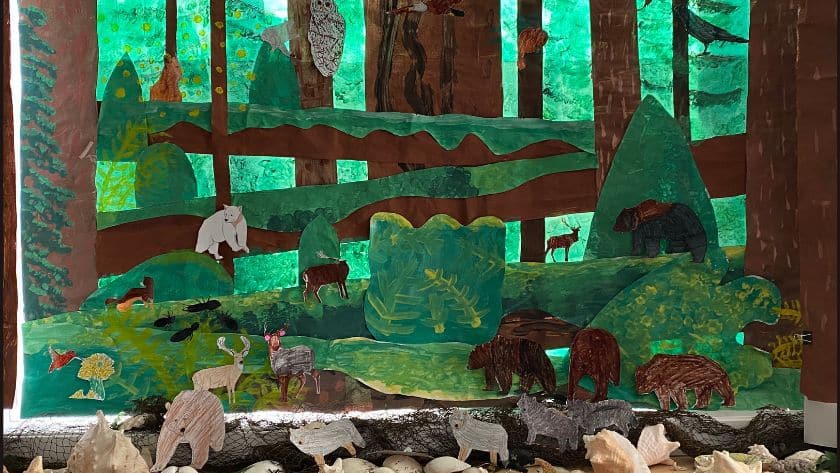
Classroom management systems made that kind of learning possible, allowing students to work independently, collaborate, and stay engaged.
A Final Note
Family has always mattered deeply to me, and part of this work is helping teachers build classrooms that allow them to leave work at work.
Teaching is meaningful work, and it asks a great deal of the people who choose it.
With the right systems in place, it is possible to care for your students well and still have the time and energy for the rest of your life.
And if I am honest, that is something I still work to protect, too.
No longer feeling like one of the imposter syndrome teachers.
You will learn what are the best classroom management strategies, and I will share ideas for resources to support those strategies.
Stop losing sleep over classroom chaos. You will never have to look back at teaching as something you couldn’t master.
To sign up for my newsletter now and receive best practice classroom management strategies straight to your inbox. Click on the image below to sign up and reclaim your time.